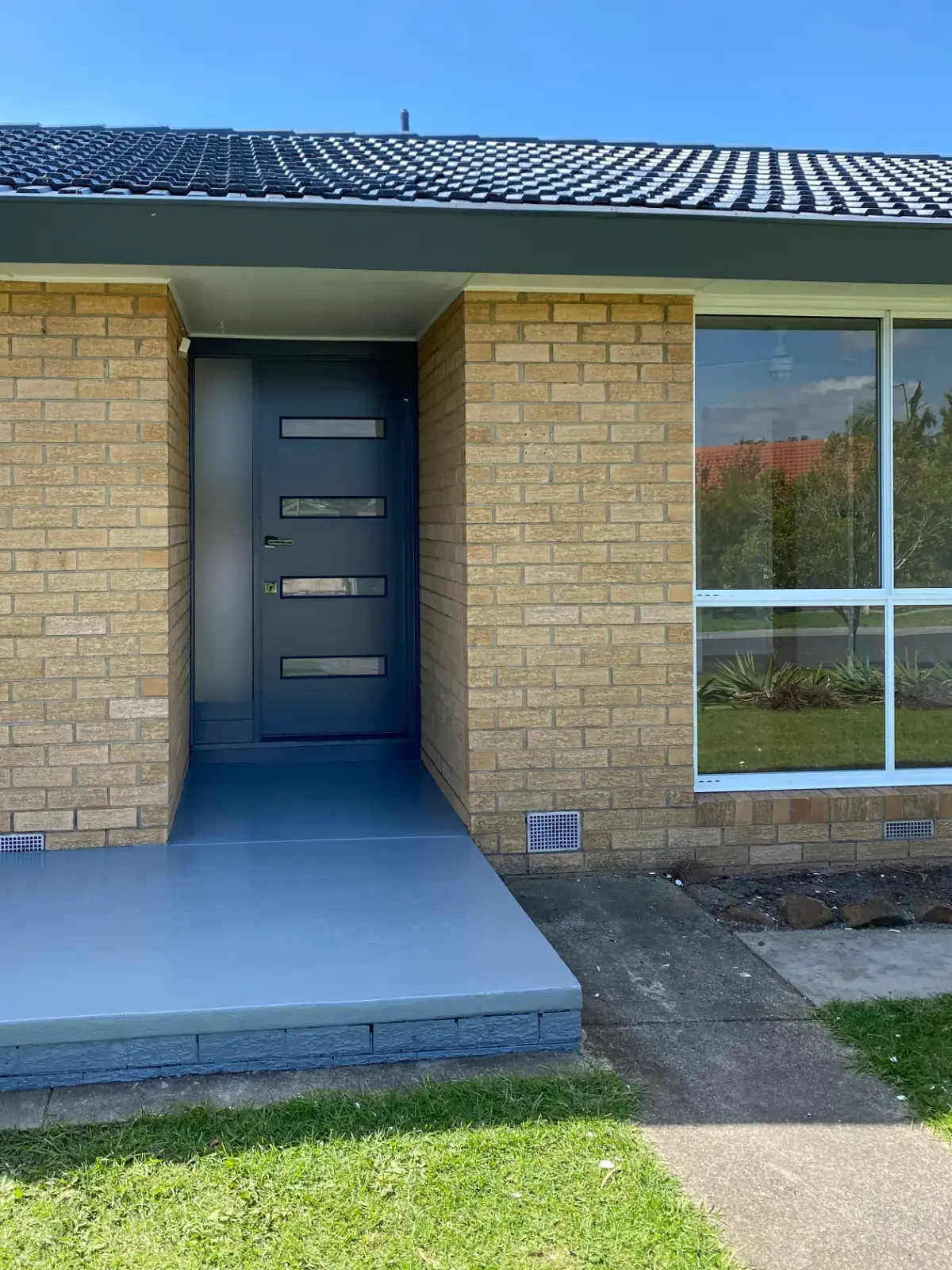
What's included in our exterior painting service
Weatherboard homes
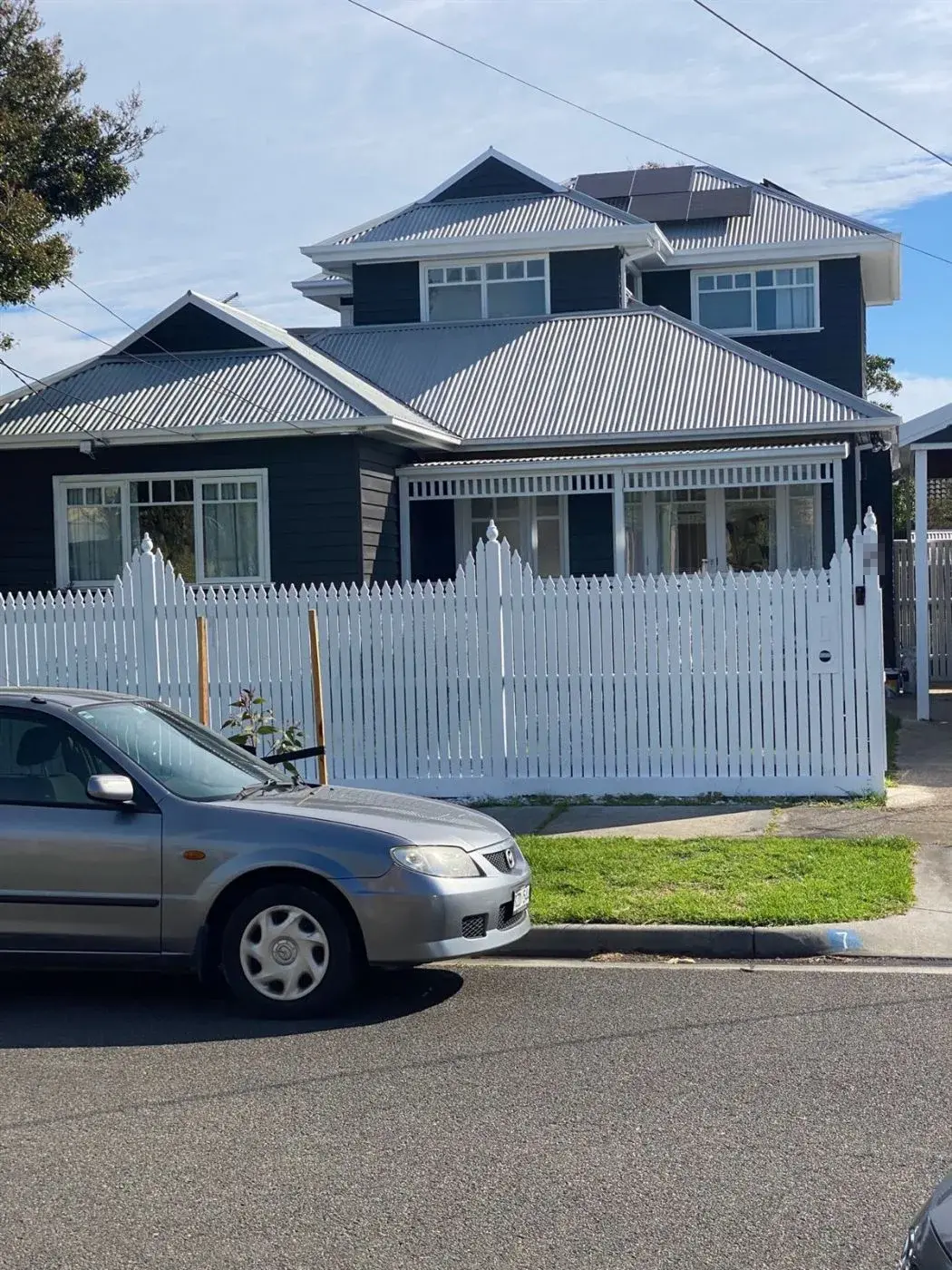
Sanding, priming, gap sealing, and durable topcoats that protect timber weatherboards from moisture and UV.
Render and brick
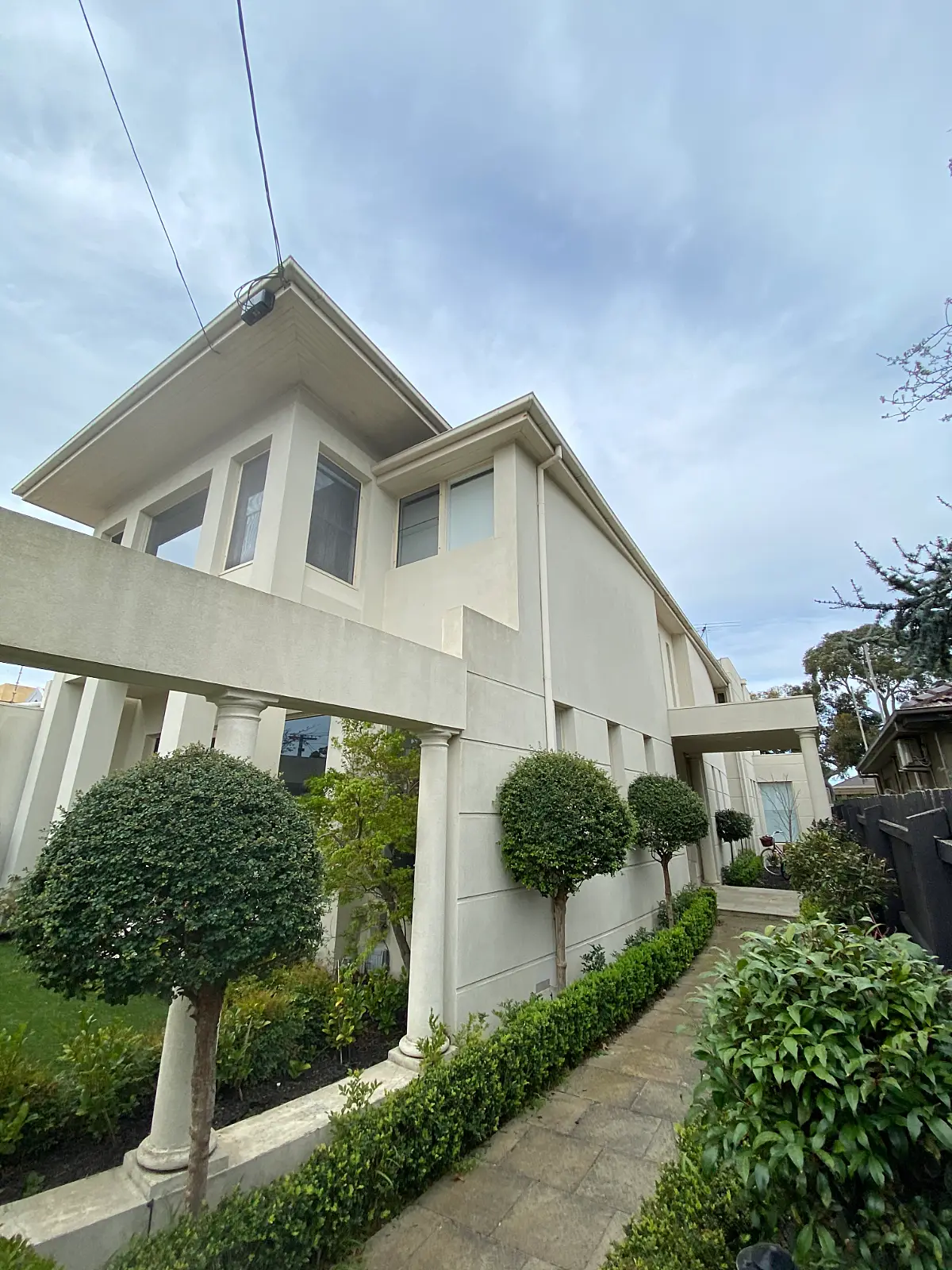
Membrane and acrylic systems for rendered and masonry exteriors, matched to the substrate.
Eaves, fascias and gutters
Detail work on trims and high areas completed safely with the right access equipment.
Fences and outdoor structures
Fence painting and staining that finishes the property's street appeal.
Why Melbourne chooses Jetblack Painting for exterior painting
Melbourne exteriors need real preparation: pressure washing, scraping and sanding back failing coatings, priming bare timber, and sealing gaps before any topcoat is applied.
We use exterior-grade Dulux and Taubmans systems selected for the substrate and exposure, backed by a 5-year workmanship guarantee and $10 million public liability insurance.
See these exterior jobs on their suburb pages
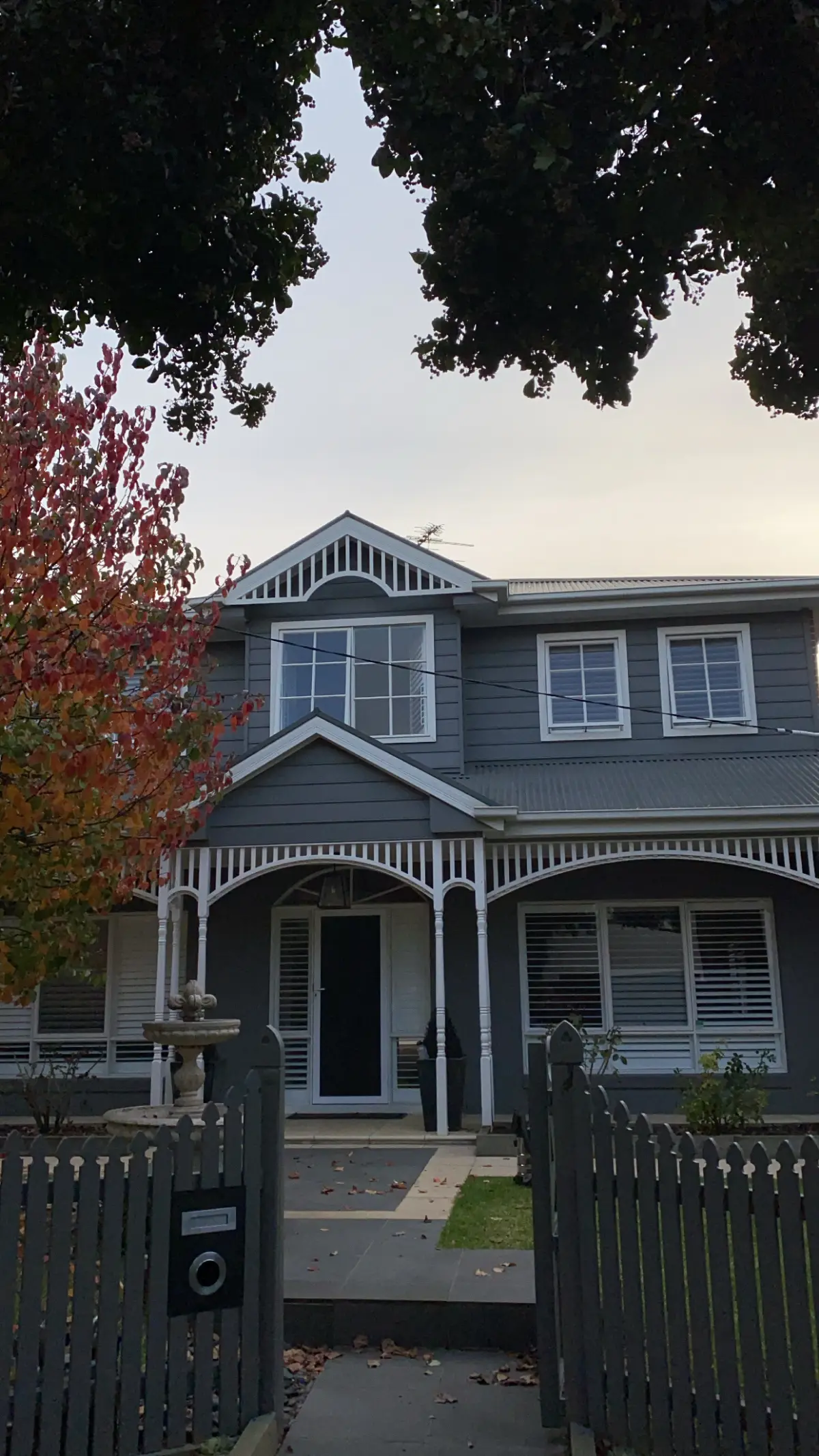
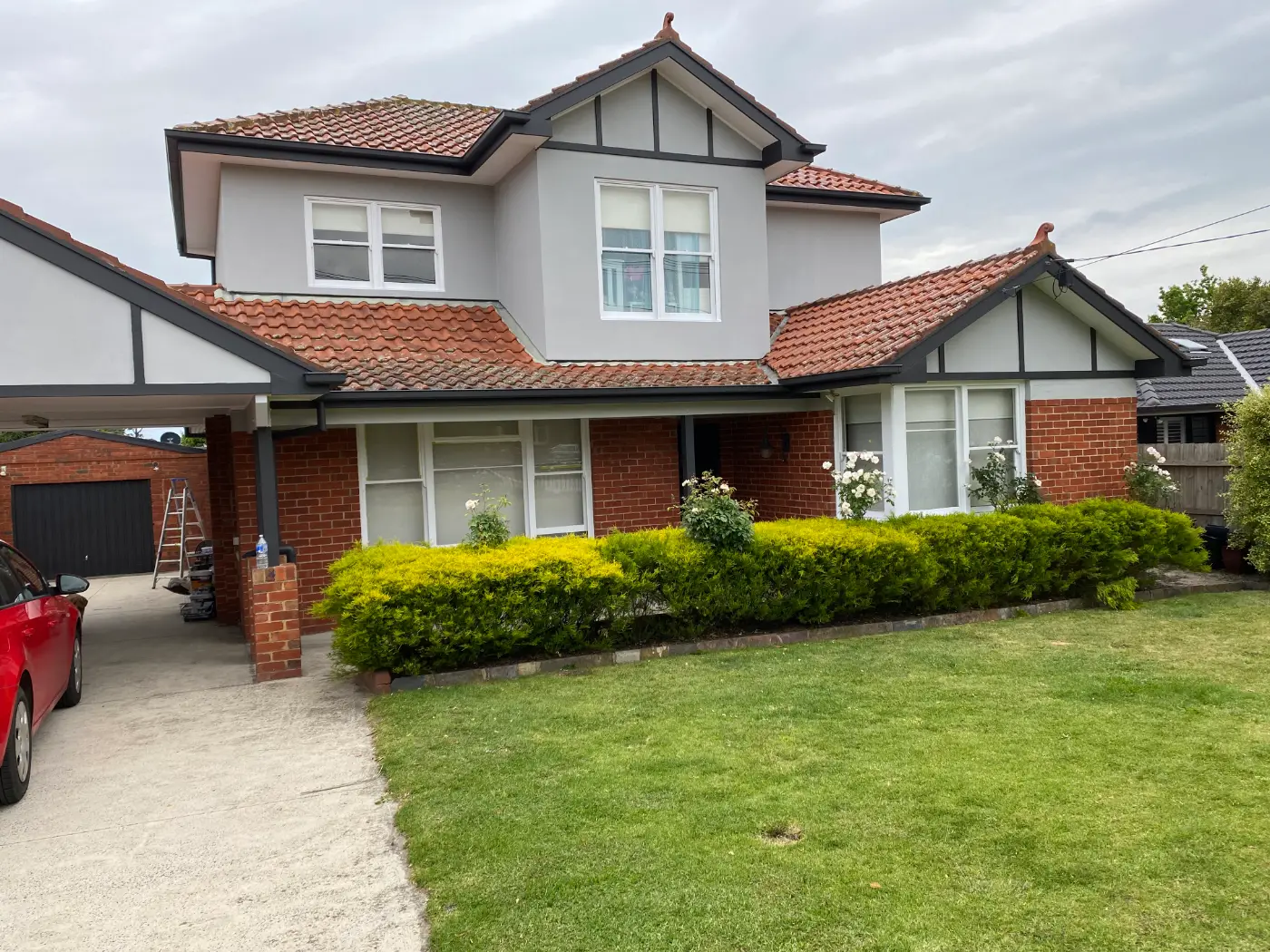
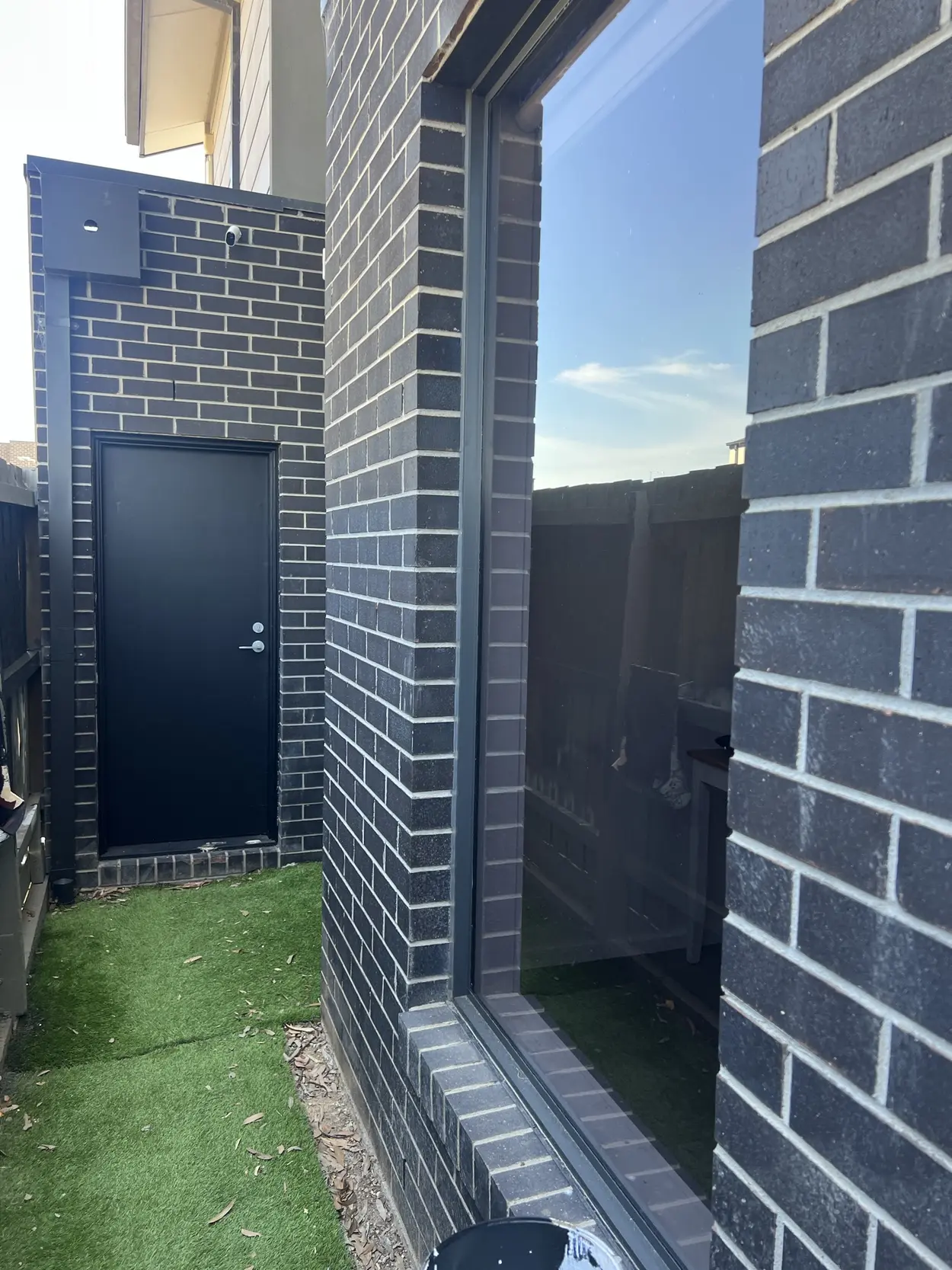
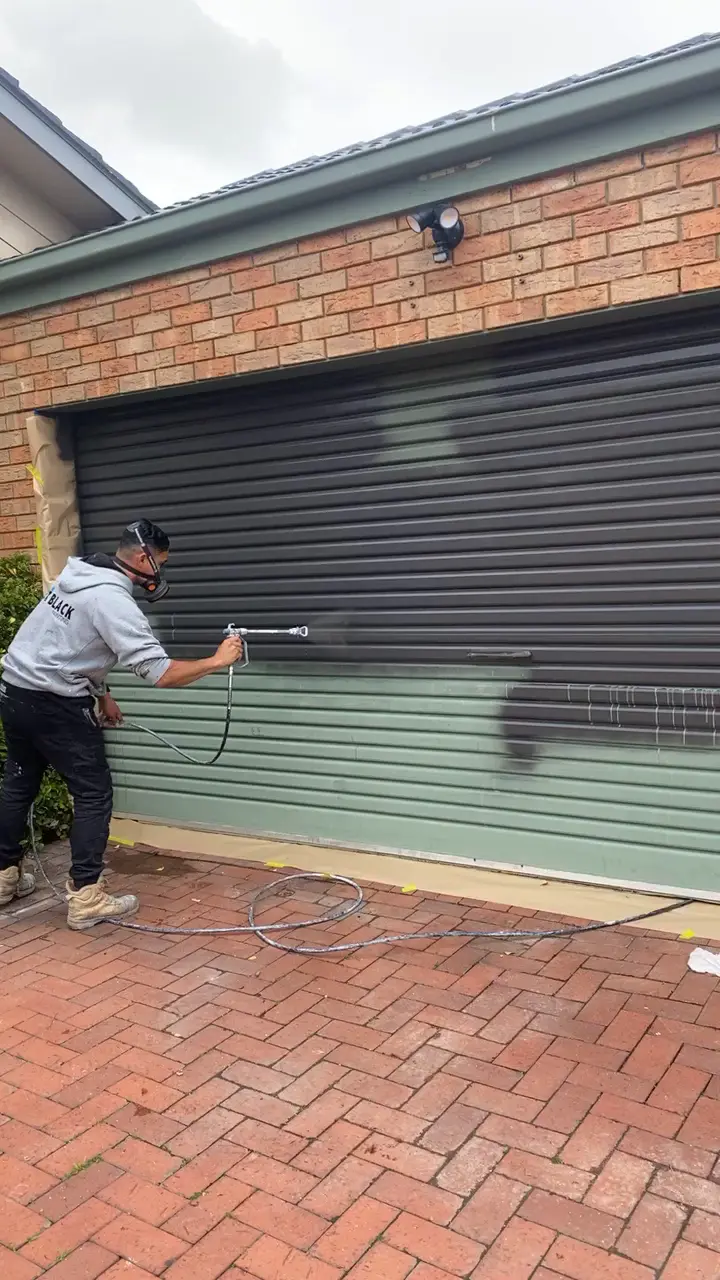
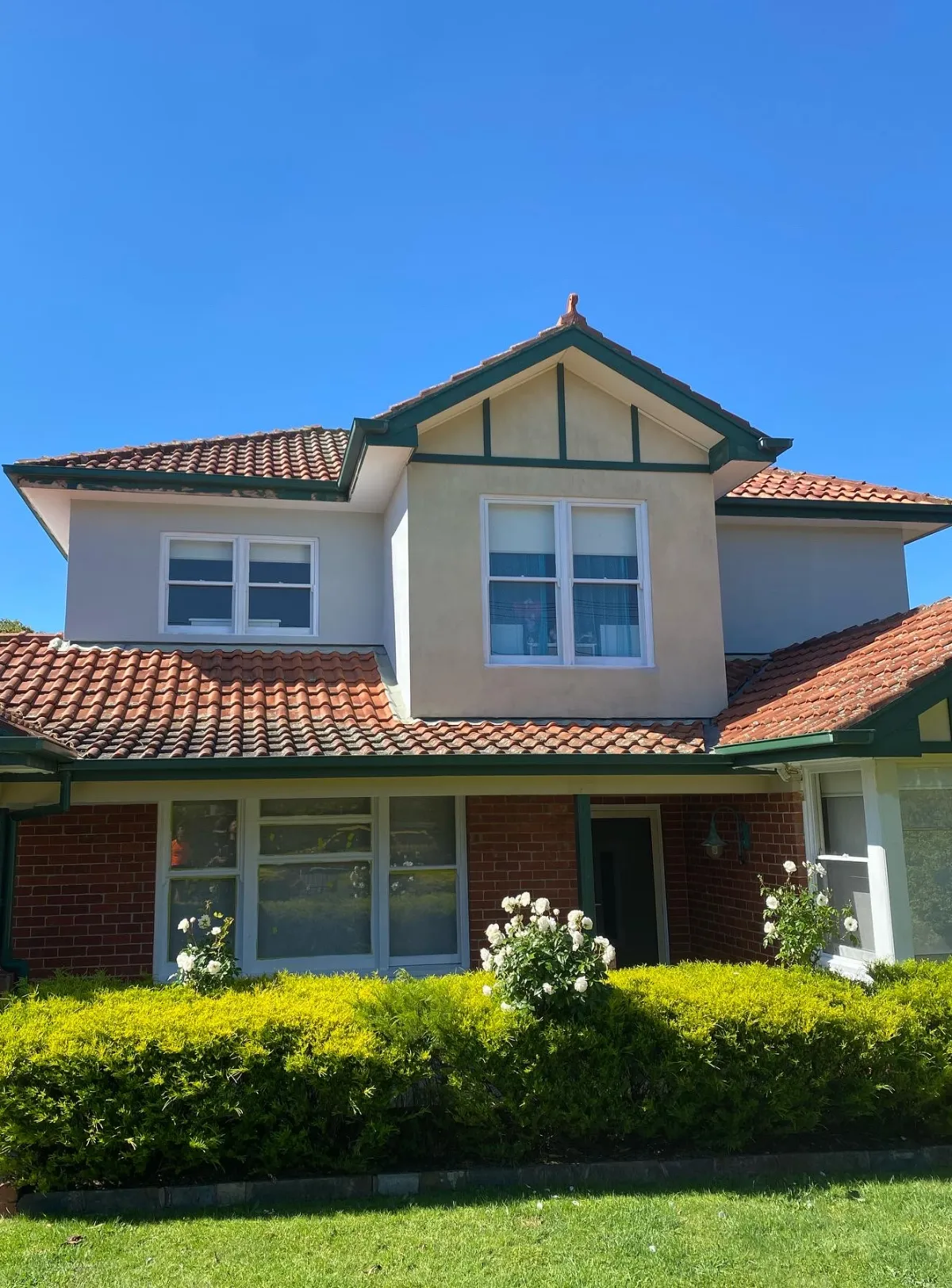
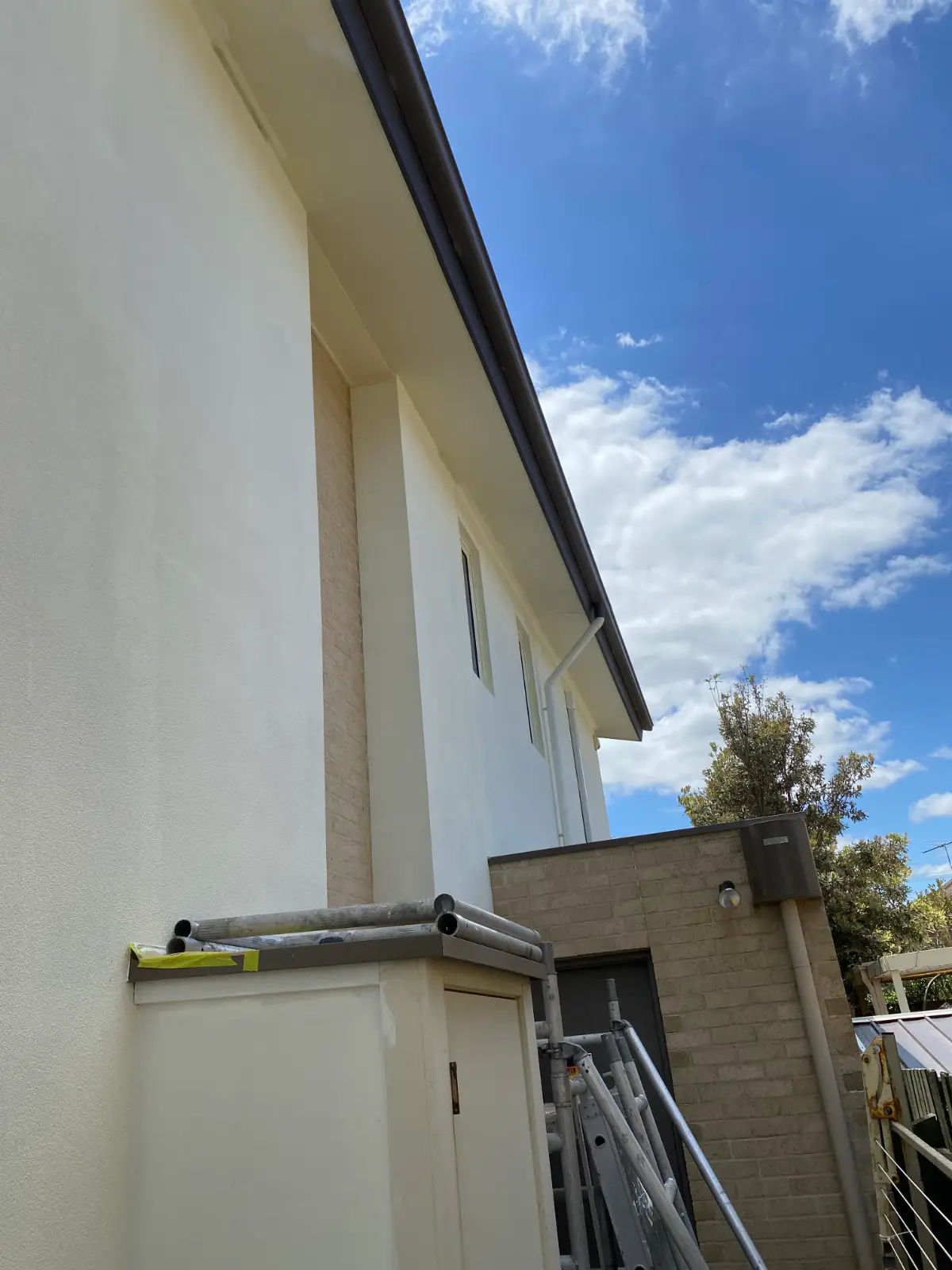
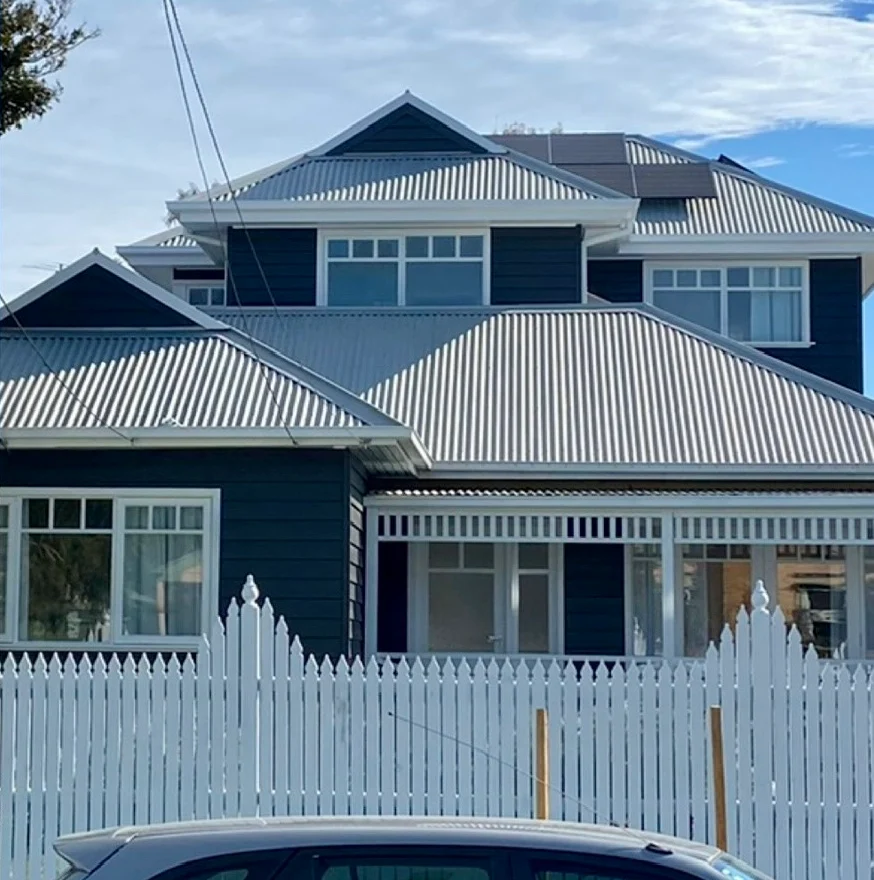
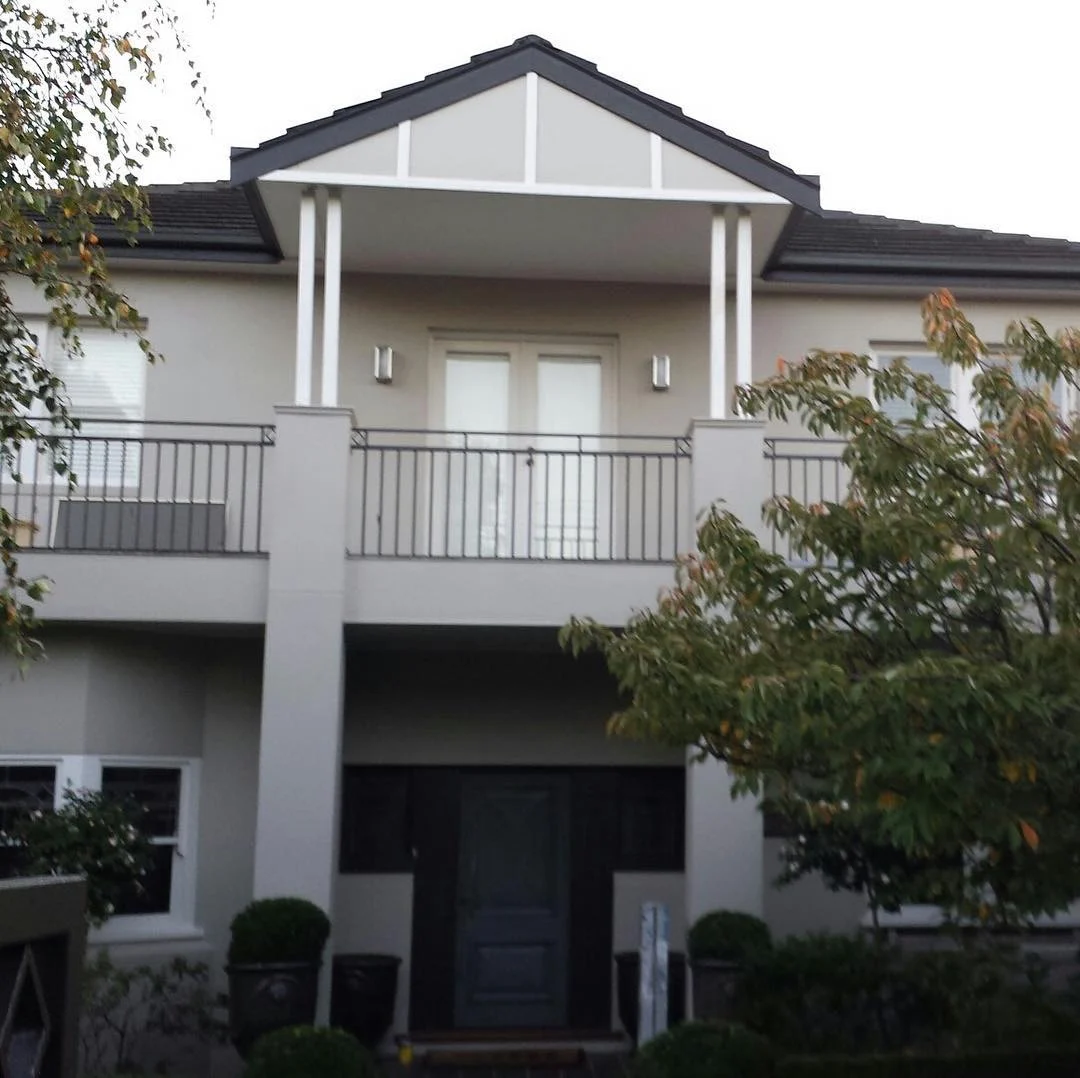
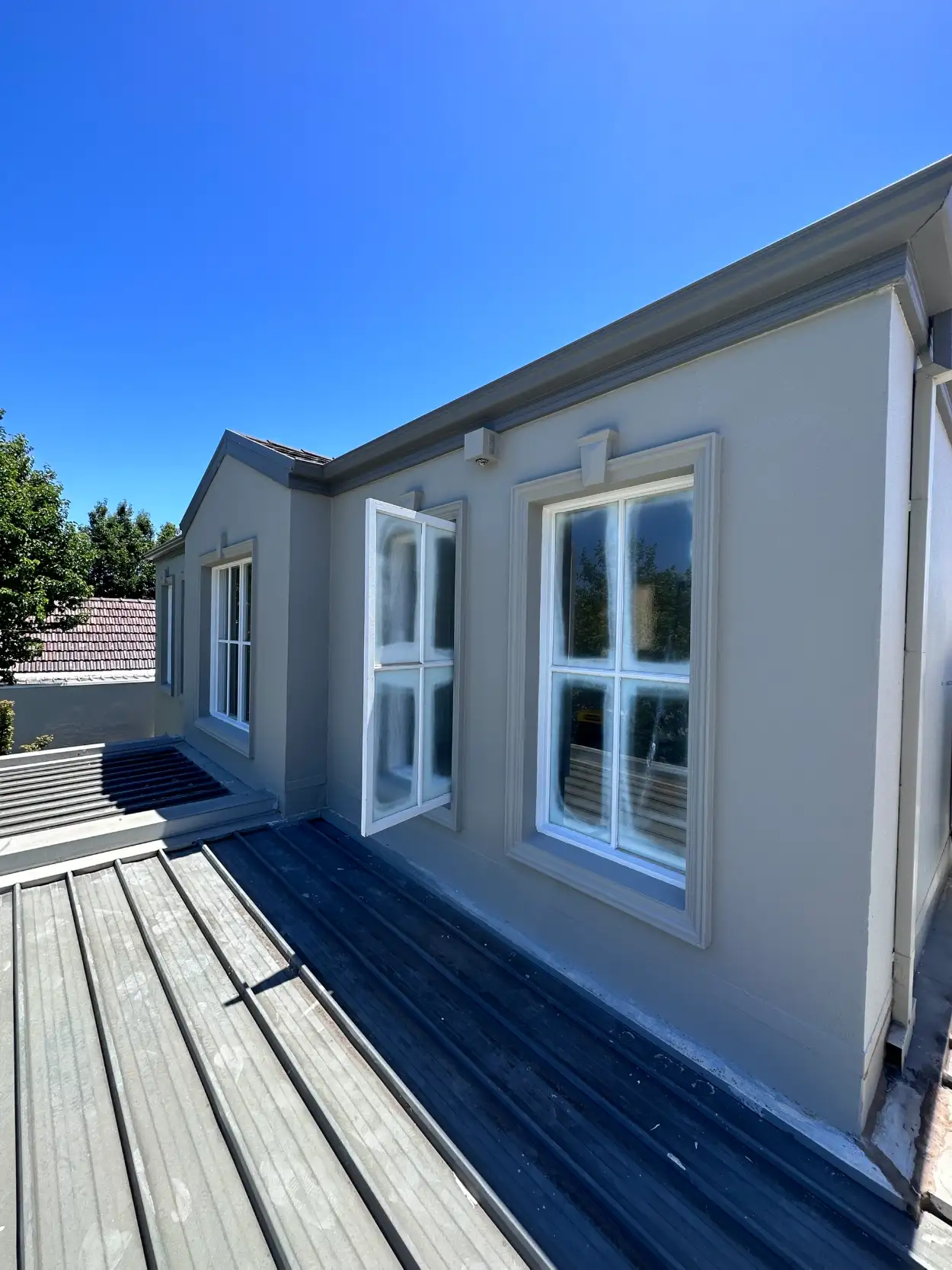
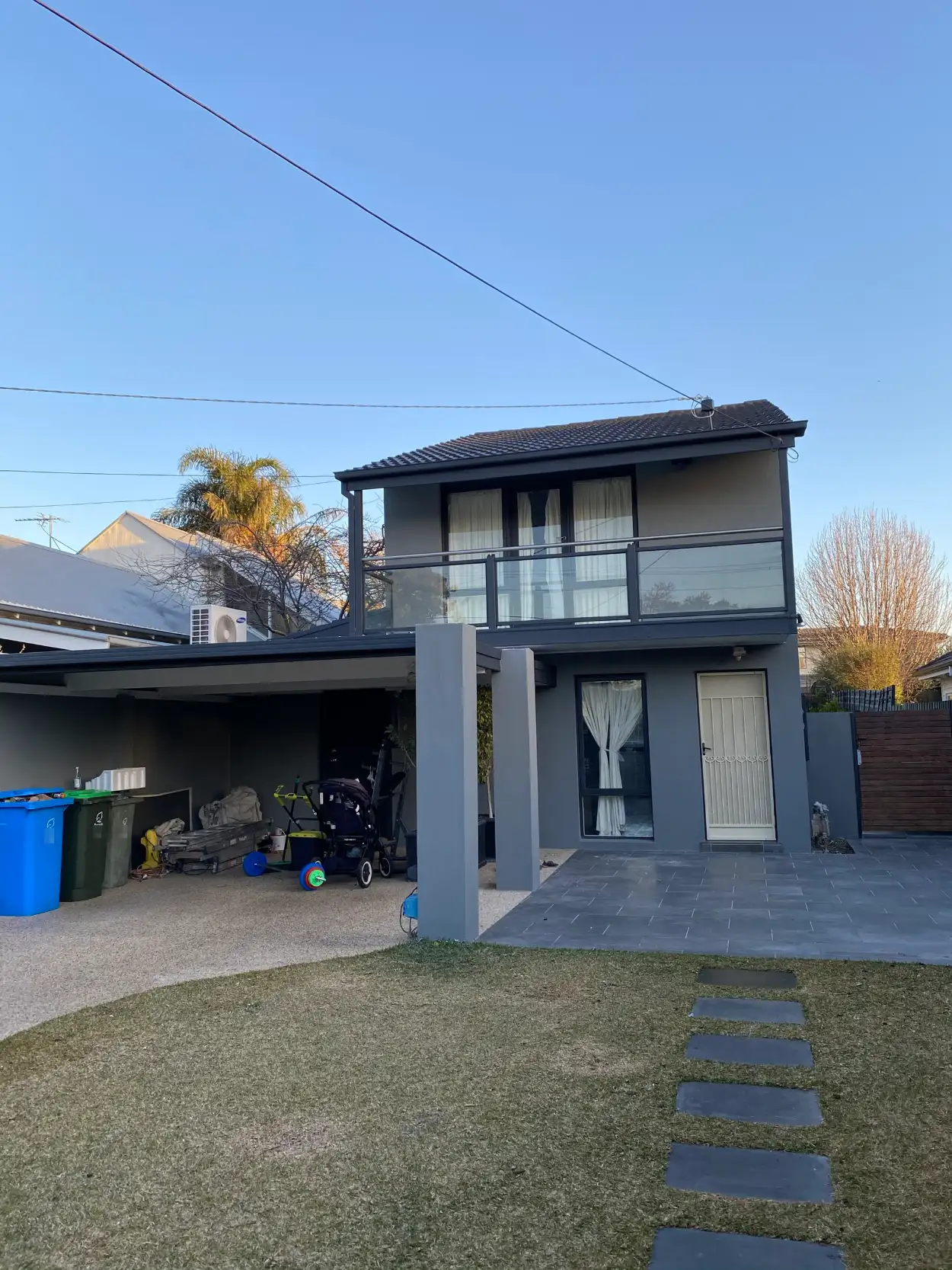
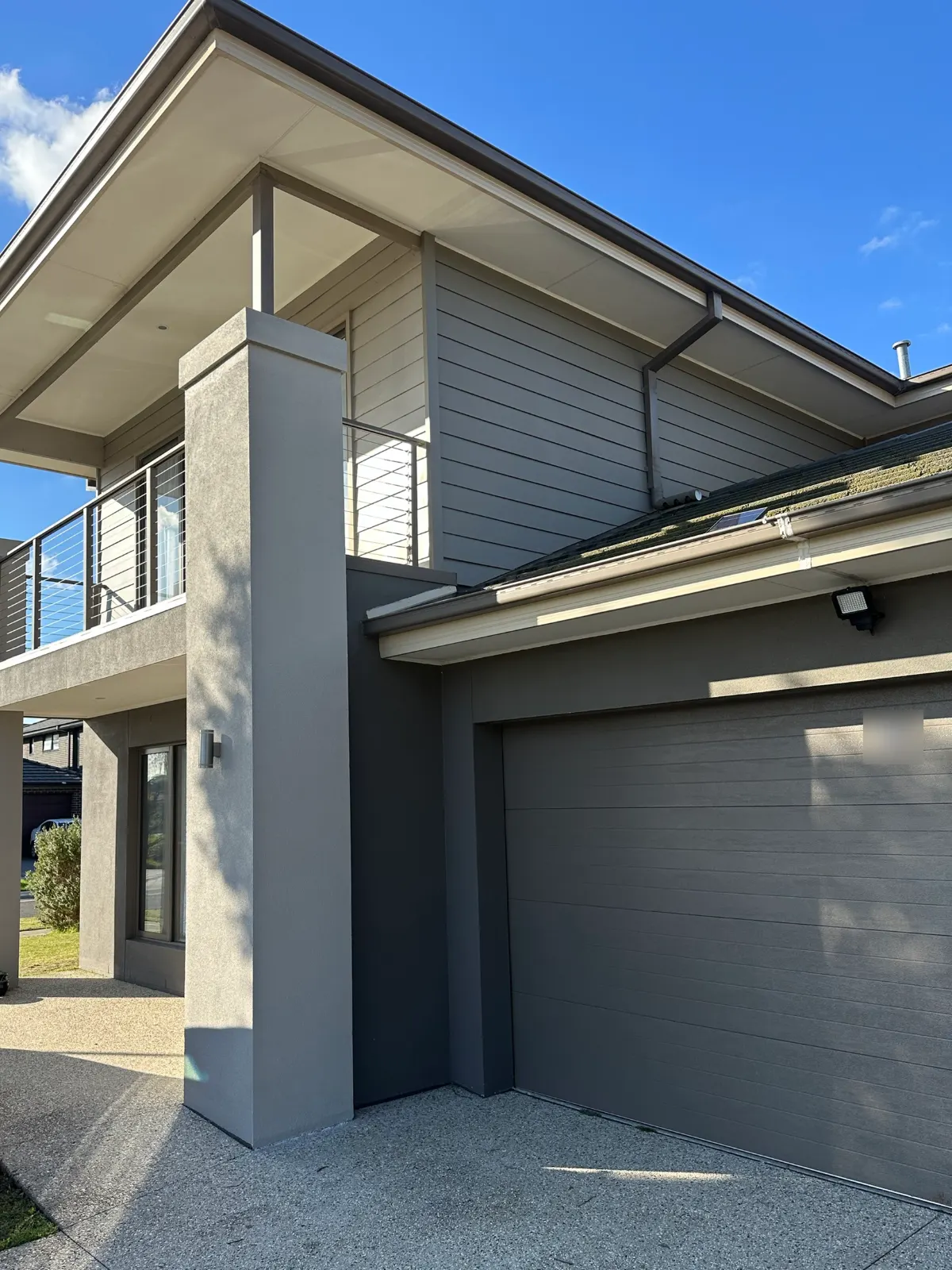
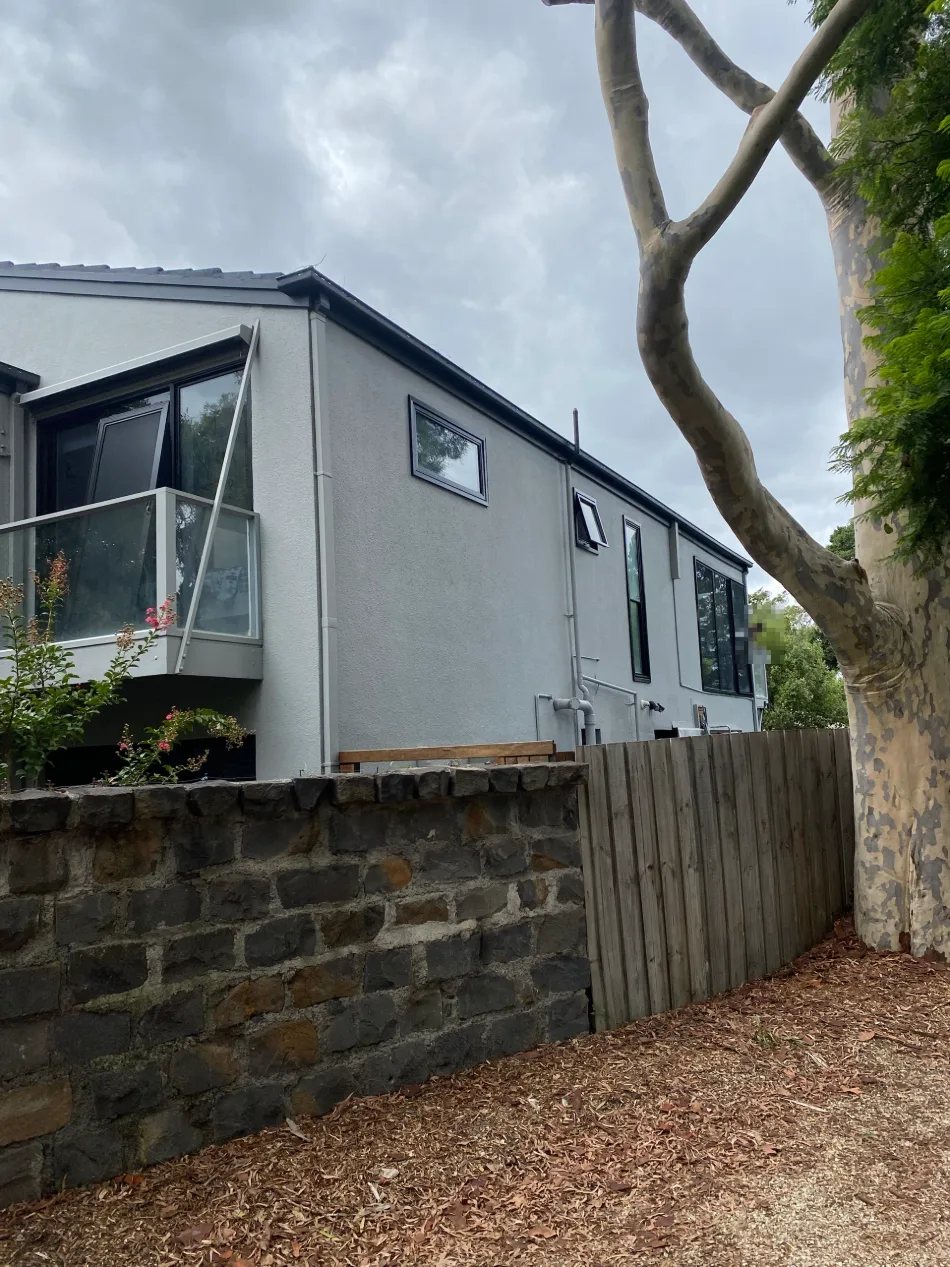
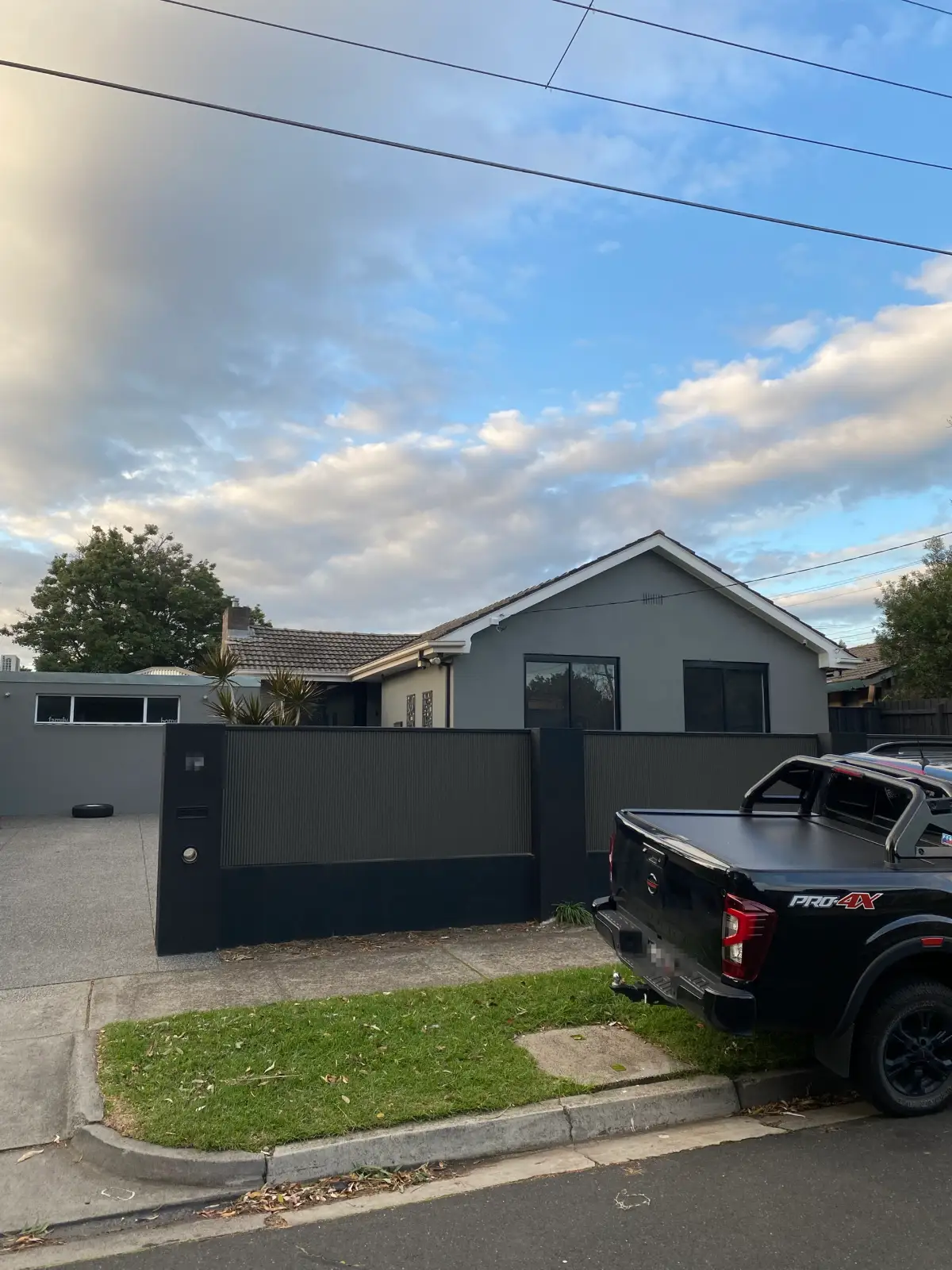
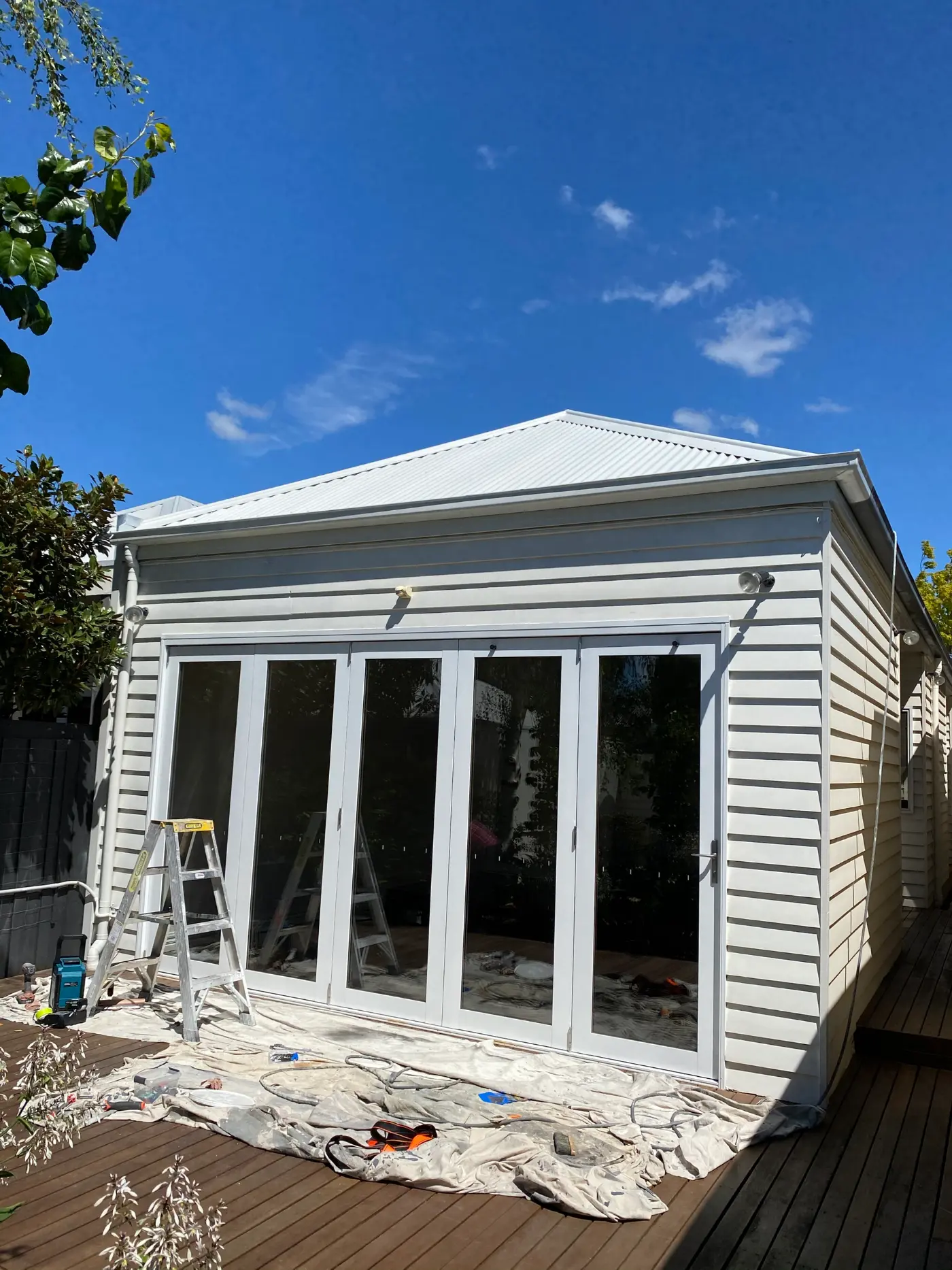
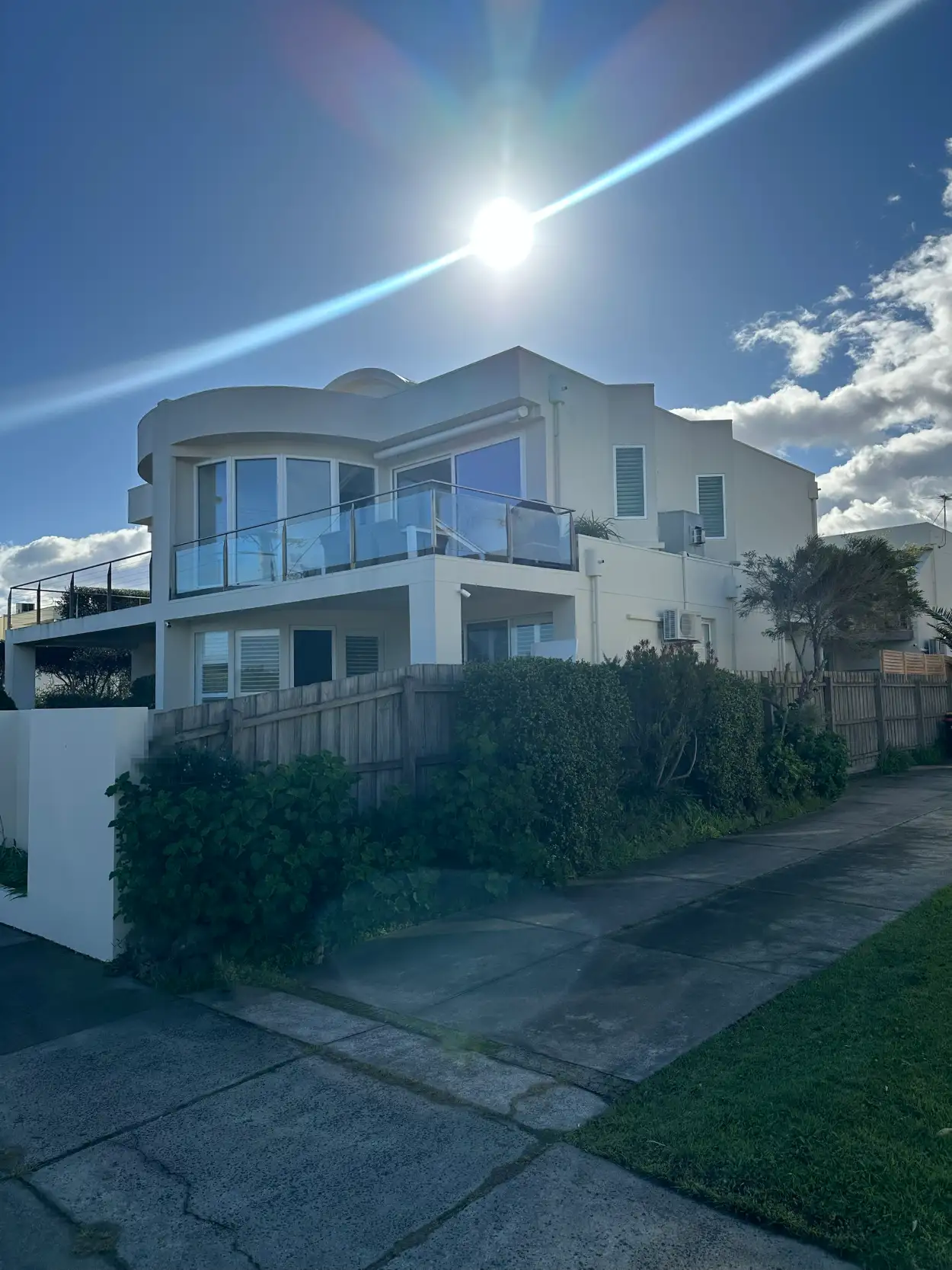
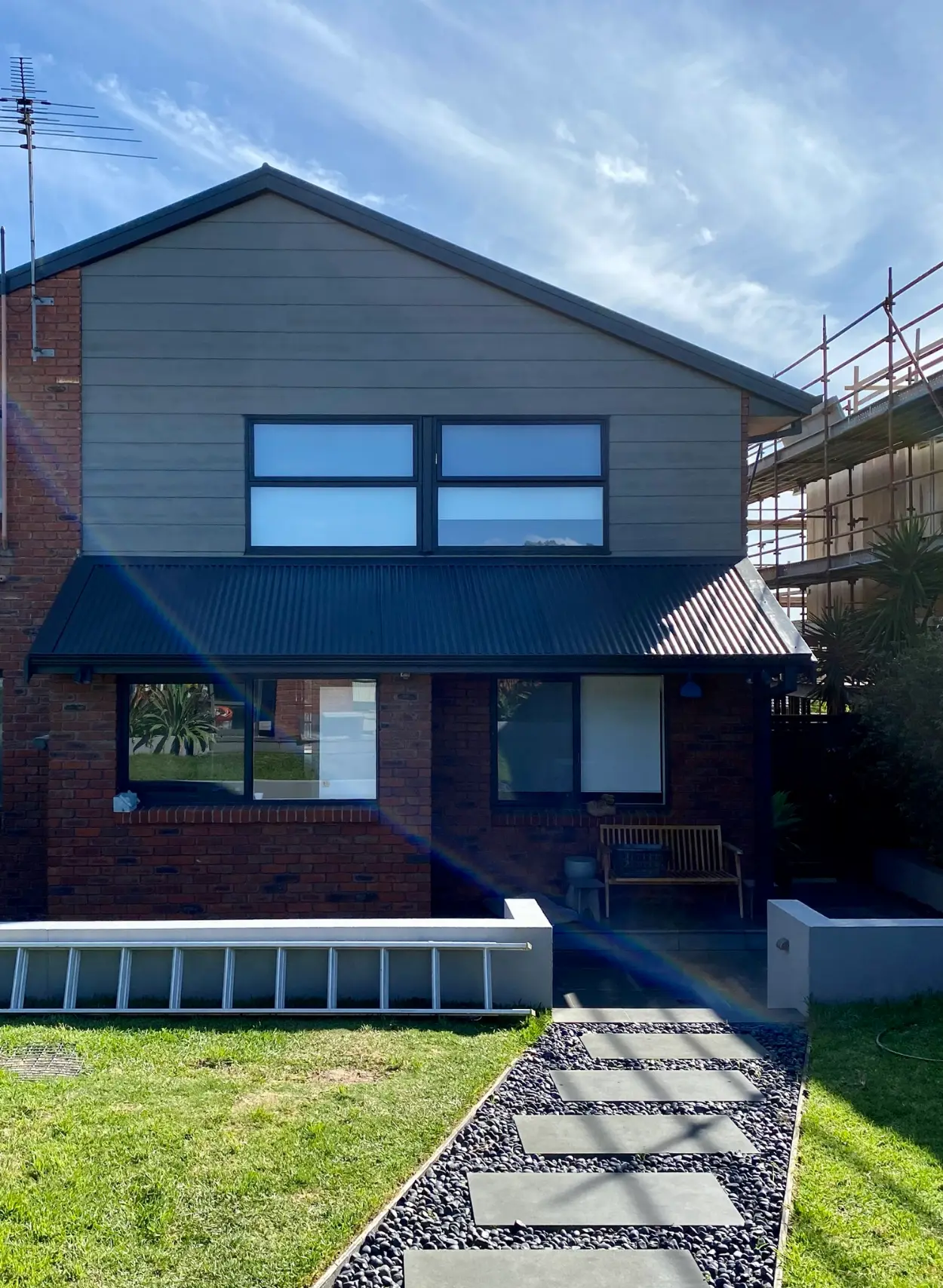
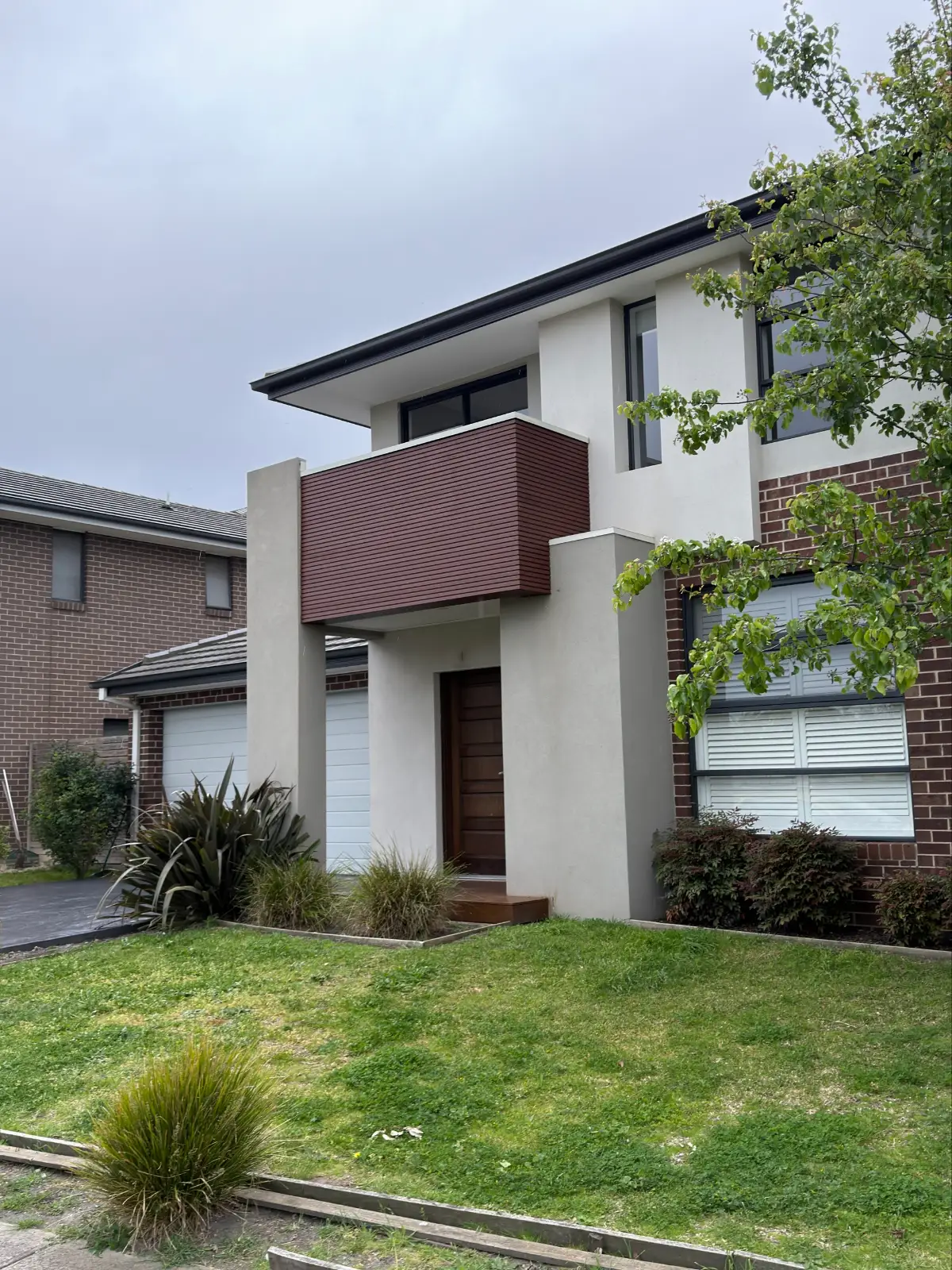
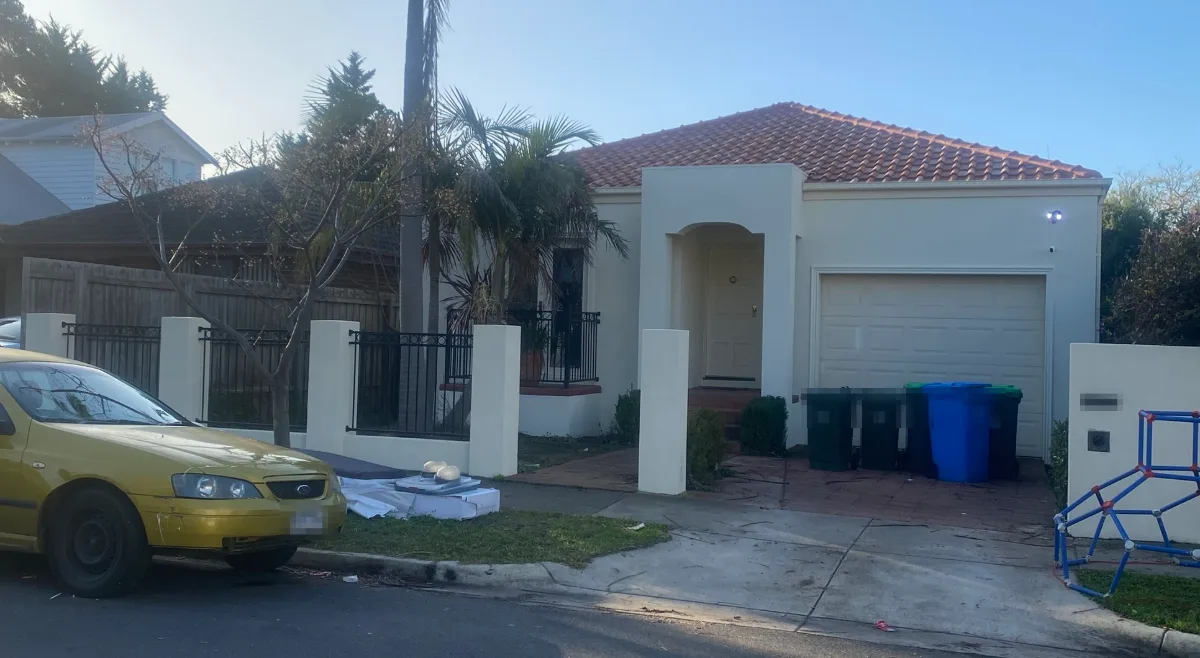
Rendered and weatherboard homes, upper storeys, parapets and cladding, each photographed on the job and shown with more detail on its suburb page.
How an exterior painting project runs
- Quote and assessment — We walk the exterior with you, checking the condition of weatherboard, render, brick and trim, noting access and height requirements, and talking through colour options. The written quote itemises the surfaces, preparation and specific products before any work begins.
- Pressure washing — Every surface is pressure washed to remove dirt, mould, chalking paint and loose debris. This step matters more than any other. A new coat applied over a dirty or chalky surface never bonds properly, no matter how good the paint is.
- Scraping, sanding and repairs — Failing paint is scraped and sanded back to a sound edge so the new coating doesn't telegraph old cracks. Damaged weatherboards are repaired or replaced, and cracks in render are filled before anything else happens.
- Priming and caulking — Bare timber, repaired sections and any previously unpainted metal are spot-primed, and gaps and joints are caulked to keep water out. This step is what stops a repaint failing early at the edges and joins.
- Topcoats — Two full coats of exterior-grade Dulux or Taubmans product go on to the specified sheen. Drying time between coats is respected, and the work is planned around Melbourne's weather rather than rushed to finish early.
- Walkthrough and handover — We walk the finished exterior with you, touch up anything that needs it, and clean up the site completely. The 5-year written workmanship guarantee applies from this point.
What drives the cost of exterior painting in Melbourne
Substrate condition is usually the biggest factor. A weatherboard home with sound, well-adhered paint is quick to prepare. One with flaking coatings, damaged boards and years of moisture damage is not. That needs real repair and priming before a single topcoat goes on. Rendered and brick homes are generally more stable but can need crack repair, chalk removal, or a sealer if they've never been painted before.
Height and access are the second driver. A single-storey home with clear ground access is straightforward. A two-storey house, steep gables or a home on a slope needs scaffolding or elevated access equipment. That adds real cost and time.
Colour change and coat count matter too. Going from a dark colour to a light one, or covering chalky, faded paint, sometimes needs an extra coat for even coverage. Coastal and heavily sun-exposed properties also benefit from a higher-grade weather-resistant system, which costs more to supply but holds up considerably longer against Melbourne's UV and salt exposure.
We don't publish a rate per square metre, because a number quoted without seeing the substrate is a number that changes later. The site visit and written quote are free — call Jimmy on 0432 077 782.
Painting Face Brick: Know What You're Signing Up For
A lot of Melbourne's brick veneer homes have never had the brick painted. Painting it can lift a dated facade, but it is a one-way decision. Once face brick is painted it needs repainting on a cycle like any other painted wall, and getting paint back off brick is slow, costly and rarely clean.
If you go ahead, the brick has to be clean, dry and sound first. Efflorescence (the white, salty bloom) and any loose mortar are dealt with, and unpainted masonry takes a dedicated sealer before the topcoats. Brick that is already painted is simpler: it is prepared and repainted much like render.
Plenty of owners split the difference. They leave the face brick as it is and repaint the eaves, fascias, gutters, window frames and any render or cladding. If you are undecided, we can quote it both ways. If the house sits under a Heritage Overlay, painting a surface that has never been painted can need a permit, so check with your council before deciding.
Two-Storey Homes, High Gables and Access
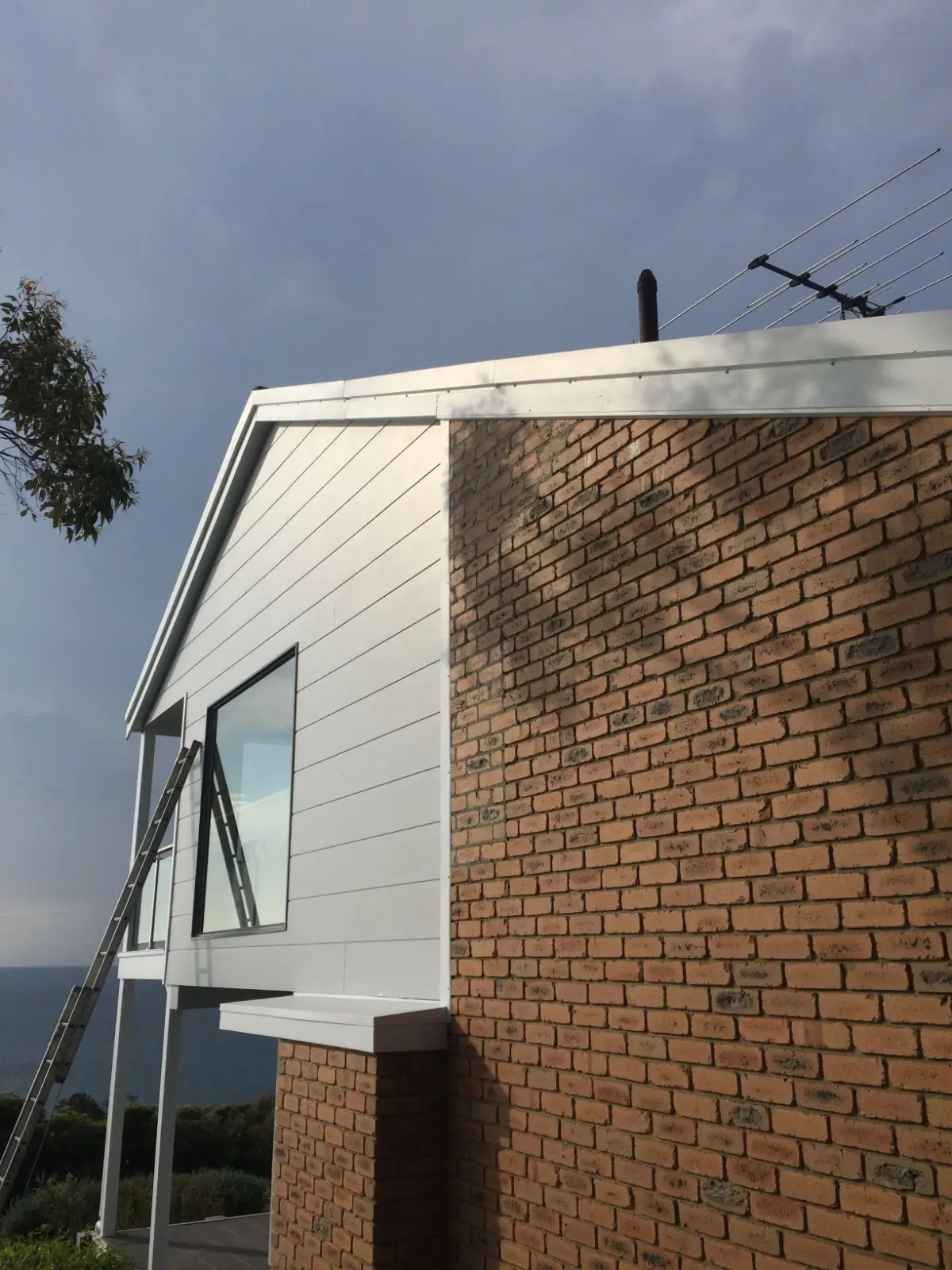
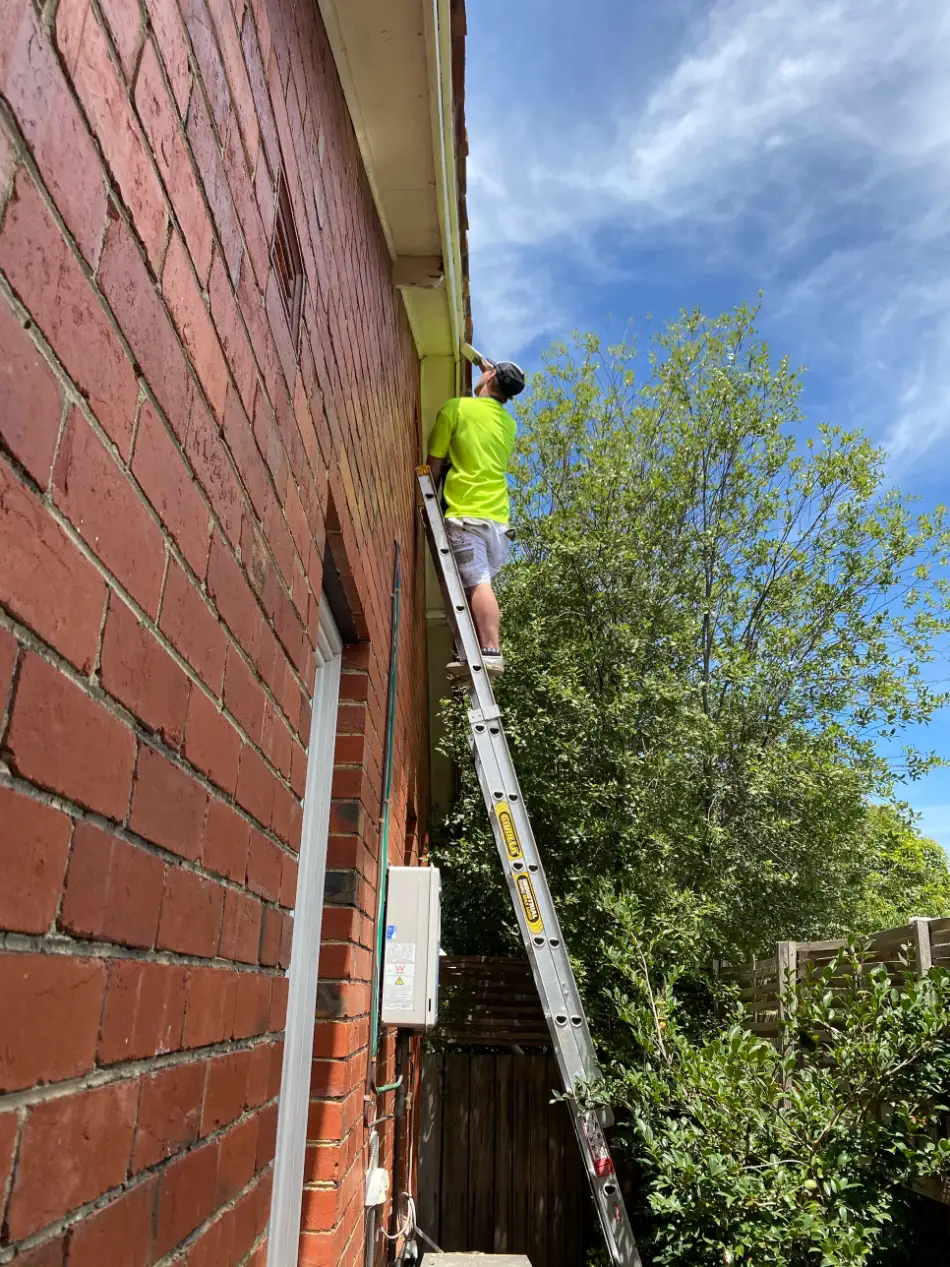
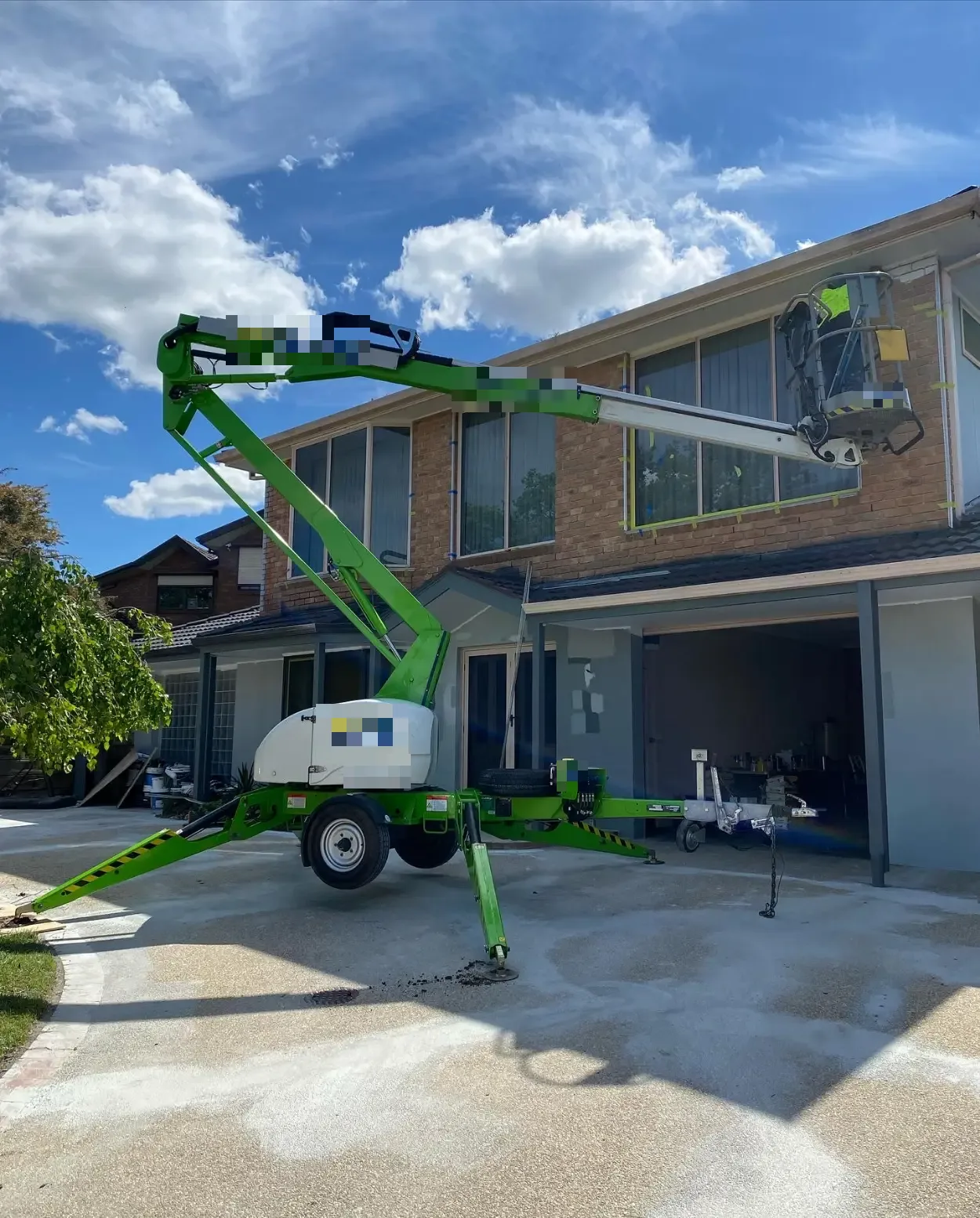
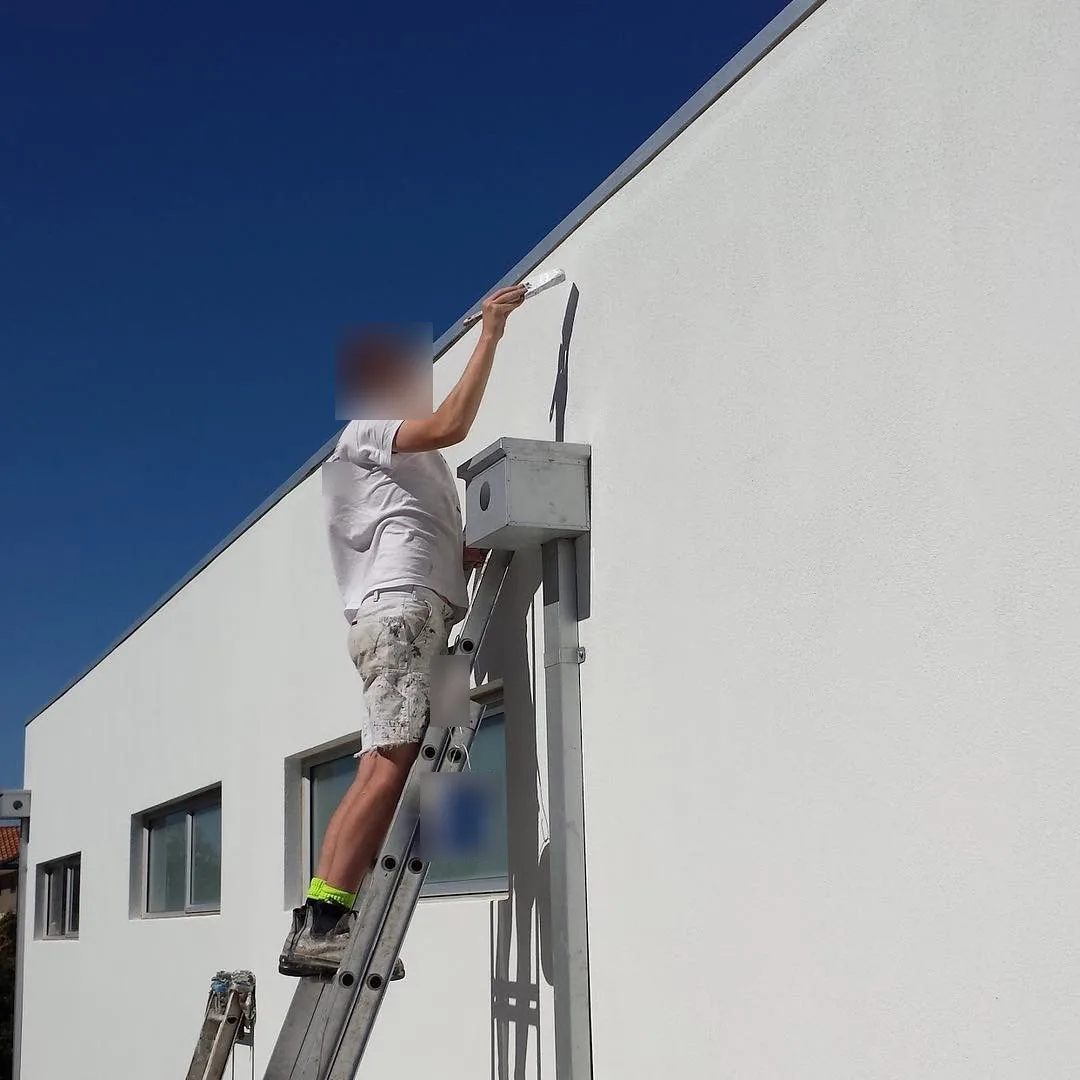
Height changes how an exterior is planned more than anything else. Single-storey work is mostly done from ladders. Two-storey walls, high gables and homes on sloping blocks need scaffolding or an elevated work platform, chosen after we have seen the site. Both appear in the photos on this page: a ladder on Sandringham eaves, and a trailer-mounted boom lift on a two-storey Berwick home.
Access is priced into the written quote from the start, not added once the job is under way. Where a side path, shared driveway or boundary wall means working close to a neighbour, we will tell you what is needed so you can let them know beforehand.
Why One Side of the House Fails First
North- and west-facing walls take the most sun in Melbourne. That is where paint fades and chalks first, sealant goes brittle and timber dries out. South-facing and heavily shaded walls have the opposite problem. They stay damp longer after rain, hold the morning dew and grow mould. Near the bay, salt and wind add to both.
So we look at each side of the house separately. A sunny wall may need more sanding back and priming of bare timber. A shaded wall may need a mould wash and more drying time before it is painted. On weatherboard, very dark colours on sun-exposed walls run hotter, which puts more stress on the timber and the paint. If that applies to the colours you have in mind, we will say so at the quote.
Where Painting Stops
Paint protects a sound surface. It does not fix one that is failing underneath. Minor repairs are part of our preparation: filling, re-caulking, sanding back to a sound edge, and repairing or replacing damaged weatherboards. Each is listed in the written quote.
Some problems need fixing first, by the right trade: an active roof or plumbing leak, render cracking from structural movement, or widespread timber rot. If we find one at the quote, we will tell you plainly rather than paint over it.
Homes built before the 1970s can have lead in the older paint layers. That changes how old paint can be sanded back and cleaned up, so on any older home we look at it before preparation starts.
Exterior Painting Guides
Longer reads on the questions we're asked most at exterior quotes.
Exterior Painting FAQs
How often should I repaint my home's exterior in Melbourne?
It depends on exposure, the surface and how well the last job was prepared: coastal and heavily sun-exposed properties need it sooner than sheltered ones. Weatherboard and timber usually need attention before rendered or brick surfaces. During your free quote we'll assess the current condition and give you an honest recommendation.
What preparation is included in your exterior painting?
Proper preparation is where a lasting exterior finish is won or lost, so it's always included in our quote — never added later. That means pressure washing, scraping and sanding back flaking paint, filling and repairing surfaces, spot-priming bare timber and metal, and caulking gaps before any topcoats go on.
What time of year is best for exterior painting in Melbourne?
Spring and autumn are ideal. But Melbourne's weather is variable, so we paint year-round and work to the conditions. Coatings go on in suitable temperatures and humidity, with proper drying time between coats. We simply schedule around wet spells so your finish cures correctly.
How much does exterior painting cost in Melbourne?
The size of the house is only part of it. Substrate condition, the number of storeys, and how much timber repair or colour change is needed all move the price more than square metreage does. A single-storey weatherboard in good condition costs far less to repaint than a two-storey render job with cracked and flaking paint. We quote after a free site visit rather than a rate sight-unseen — call 0432 077 782.
What paint brands do you use for exterior painting?
Premium exterior-grade Dulux and Taubmans systems, matched to the substrate and its exposure. Weatherproof acrylics go on weatherboard and render. Bare timber, previously unpainted brick, and metal fascias and gutters each get the primer they need. The specific products are named in your written quote.
Do you paint weatherboard homes differently to rendered or brick homes?
Yes. Weatherboard needs more preparation: sanding back flaking coatings, replacing or filling damaged boards, and priming bare timber. Timber moves with moisture, so it needs a flexible, well-adhered system. Render and brick are usually more stable but can chalk or crack over time, and previously unpainted masonry needs a specific sealer. We assess the actual substrate during the quote rather than treating every exterior the same.
Should I paint my face brick house?
It can work well, but it is a one-way decision. Once face brick is painted it needs repainting on a regular cycle, and paint is very hard to remove from brick later. The brick has to be cleaned, any efflorescence and loose mortar dealt with, and a masonry sealer applied before the topcoats. Plenty of owners repaint the trims, eaves and render and leave the brick as it is. We can quote both options.
Can you paint a two-storey house?
Yes. Two-storey homes, high gables and sloping blocks are planned with scaffolding or an elevated work platform, chosen after a site visit. The access cost is included in the written quote from the start.
Can peeling weatherboards be repainted without replacing them?
Usually, if the timber underneath is sound. Loose paint is scraped and sanded back to a firm edge, bare timber is primed and joints are re-caulked before the topcoats. Boards that are split or rotten are repaired or replaced first, and we will point those out at the quote.
Do I need to be home while you paint the exterior?
No. Most clients go about their day as normal. We need access to every side of the house, gates unlocked, and pets kept away from the work area. When window frames and doors are being painted, we will let you know which ones need to stay shut until they are dry.
Do I need council approval to change my exterior colours?
For most Melbourne houses, no. If your property sits under a Heritage Overlay, the overlay can cover changing exterior colours or painting a surface that has never been painted, so check with your council before you settle on a scheme. Townhouses and units in an owners corporation usually need its approval for external colour changes too. We are painters, not planners, so we cannot confirm an overlay for you, but we are happy to work from whatever scheme is approved.
Suburbs we service
We provide this service across Melbourne, including these areas.
Related painting services
Explore our other painting services across Melbourne.
Exterior Painting work